
Flexibility Training Gallery
$$MultiPurposeText$$
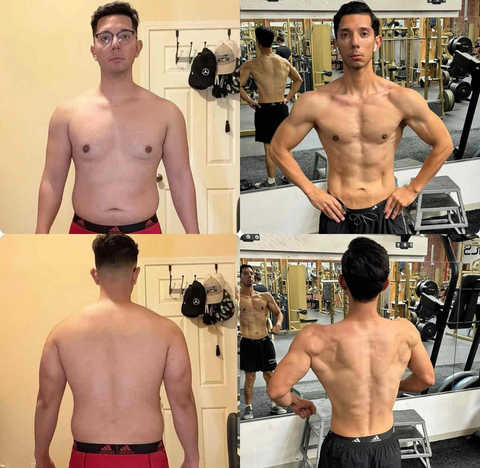
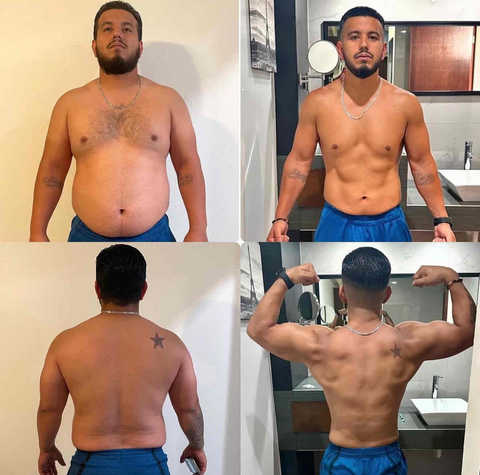
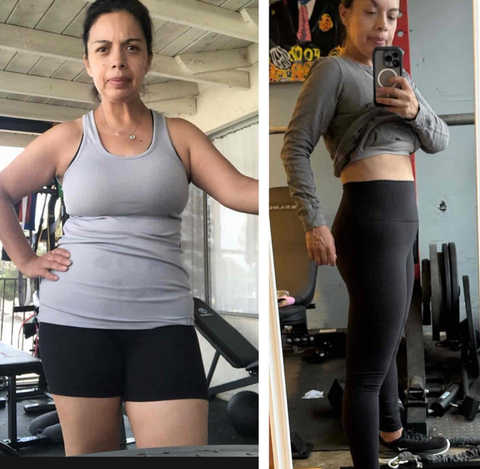
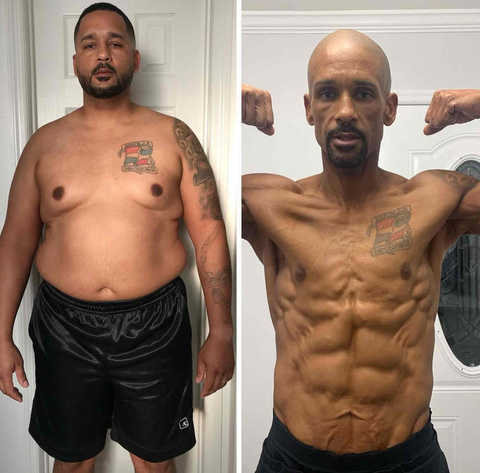
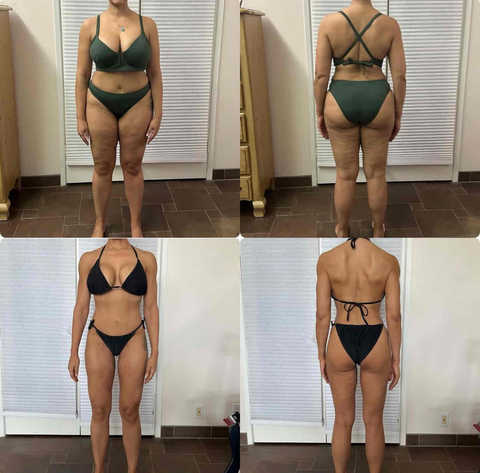
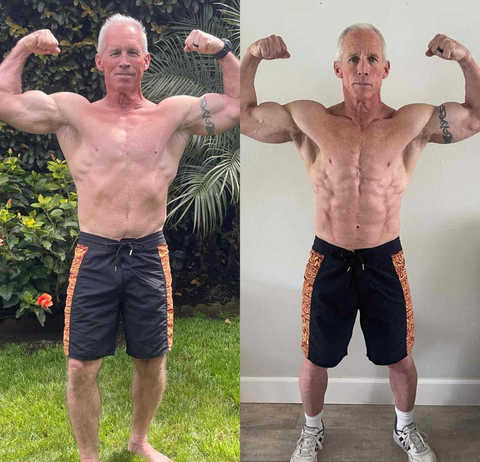
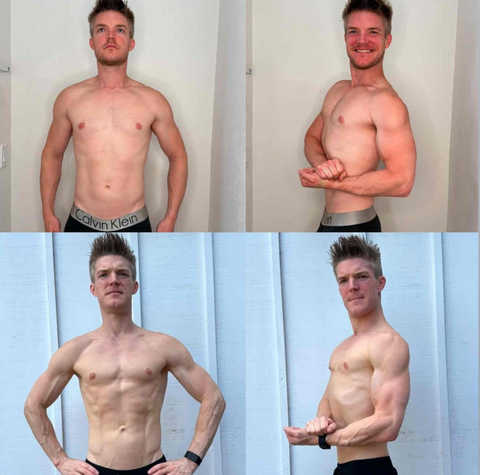
See examples of our Flexibility Training work and results.












What Our Clients Say
$$MultiPurposeText$$
Read testimonials from our satisfied customers

Highly recommend Manny at BoomFit Gym in Newport Beach! I’ve been training with him 3 morn...more

Manny at BOOM Fitness is a great trainer. He knows his stuff, pushes you to work hard, and...more

Boom Fitness is an outstanding gym for both beginners and experienced athletes! I started ...more

Working with Manny at Boom Fitness has been an incredible experience. His professionalism,...more

The woman’s group at boom is so much fun. There are women at every stage of their journey ...more

I’ve been training with Manny for the past 5 months and I’m very happy with the progress w...more

Frequently Asked Questions
Get answers to common questions about Flexibility Training.
Aim for three to five short sessions weekly, combining dynamic warm-ups and longer static stretches. Consistency over intensity yields measurable gains in mobility within a few weeks, while ongoing practice maintains improvements and reduces stiffness.
Properly structured flexibility work can lessen joint pain by improving range, reducing compensatory tension, and enhancing surrounding muscle balance. When paired with strength and medical guidance as needed, clients often experience reduced discomfort and better daily function over weeks to months.
It reduces injury risk by correcting tightness, improving joint mobility, and restoring movement patterns. Combined with sport-specific strength and neuromuscular work, flexibility training significantly lowers strains and overuse injuries when consistently applied within an athlete's routine.
Yes. Programs are adapted to ability, emphasizing gentle range-of-motion, balance, and controlled stretches. Progressions are gradual, focusing on pain-free movement and functional outcomes. Clearance from a healthcare provider is recommended for significant medical conditions before beginning.
Many clients feel reduced stiffness and better movement within two to four weeks. Meaningful gains in range and functional mobility typically appear after six to eight weeks with consistent sessions and home routines tailored to individual needs.
No. Most mobility and stretching exercises require minimal or no equipment. Mats, resistance bands, or foam rollers can enhance results and comfort, but sessions are designed to be effective in gyms, at home, or online using bodyweight and simple tools.
Read more about Flexibility Training
$$MultiPurposeText$$
Explore our latest insights and guides on Flexibility Training.

Flexibility Training: What to Do and What to Avoid After a Session
Published On: July 13, 2026
